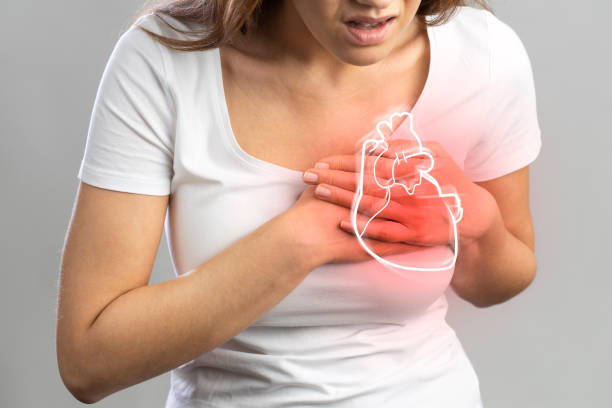
Heart attacks in women often appear differently than in men, making them harder to recognize. Instead of the classic sharp chest pain, women may feel a mild pressure or tightness in the chest, or even discomfort in the jaw, neck, shoulders, or abdomen. Other subtle signs include unusual fatigue, shortness of breath, nausea, dizziness, clammy sweating, or anxiety that feels like a panic attack. These quiet symptoms are frequently dismissed, causing dangerous delays in treatment.
Experts highlight that certain conditions—such as diabetes, high blood pressure, smoking, high cholesterol, stress, and post-menopausal hormonal changes—significantly raise heart attack risks in women. Awareness and quick action are key. Regular exercise, a balanced diet, stress management, and understanding one’s personal risk factors can help prevent heart-related emergencies. Recognizing these early signs can save lives and empower women to take control of their heart health.
.jpeg)